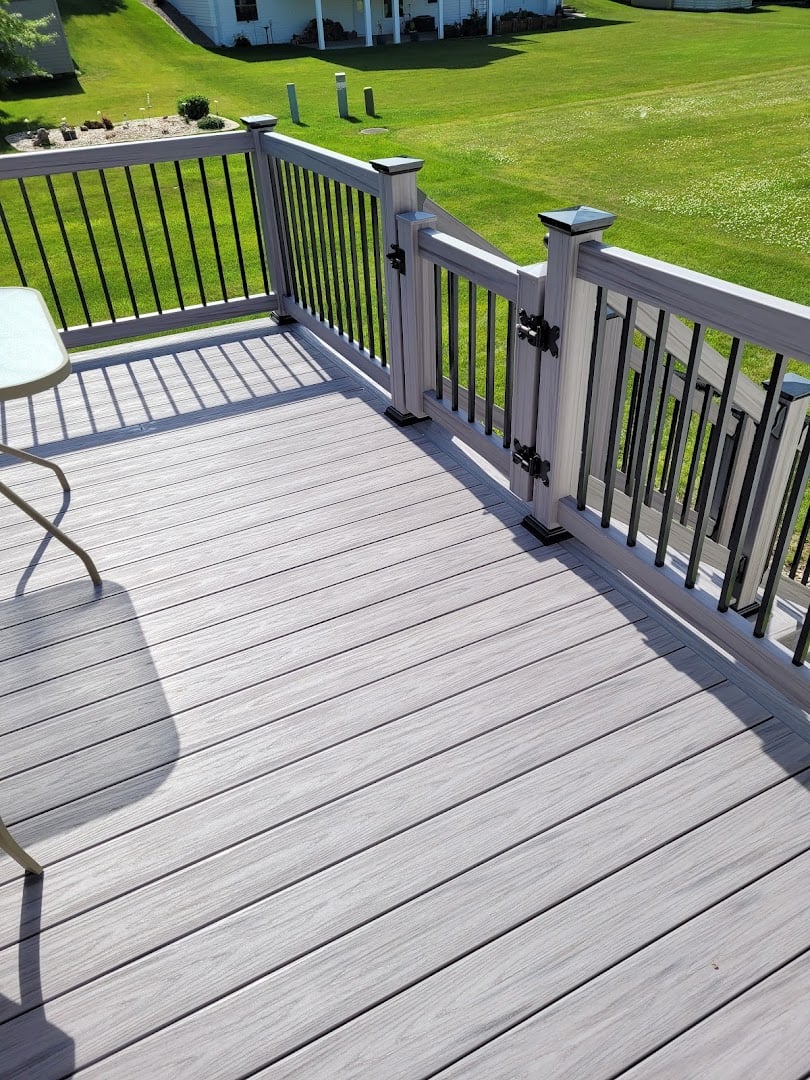
Quick answer: Gate placement determines whether snow removal and winter yard access stay simple or become a seasonal headache. Before the first snowfall, homeowners in Rock Island, IL should plan gate width, swing direction, and location around snowblowers, plow paths, and firewood or trash access. A professional vinyl fence installation accounts for these details from the start, so gates work with winter routines instead of against them.
Key Takeaways
- Gate width and swing direction matter most for winter access—measure your snowblower or equipment before finalizing fence plans.
- Snow drifts against vinyl fencing, so gate placement should avoid natural wind pockets and low spots in the yard.
- A local vinyl fence installation Rock Island IL company understands regional snowfall patterns and can position gates to minimize shoveling and ice buildup.
Rock Island winters aren't gentle. Lake-effect moisture off the Mississippi combines with Midwest cold fronts to deliver heavy, wet snow that piles up fast and lingers. If you're planning a new vinyl fence or finalizing gate placement before the ground freezes, now is the time to think beyond curb appeal. A fence that looks great in October can become a frustrating obstacle in January if gates are too narrow, swing the wrong direction, or sit in a spot where snow naturally drifts.
This guide walks through what to consider when planning fence gates for winter functionality, so your yard stays accessible all season long.
Why does gate placement matter more in winter?
Summer fence use is mostly about pets, kids, and backyard gatherings. Winter use is about hauling firewood, running a snowblower, accessing trash and recycling bins, and reaching a shed or garage without wading through drifts. A gate that works fine in July can become genuinely difficult to use once snow accumulates against it.
Snow doesn't fall evenly across a yard. Wind pushes it into corners, against fence lines, and into any low point in the landscape. A gate positioned in one of these natural collection zones will need to be shoveled out every time you want to use it—often before you can even open it, since swinging gates need clearance to arc outward.
What gate width do you need for snow removal equipment?
Standard single-walk gates typically measure 36 to 48 inches wide, while double-drive gates for vehicles or larger equipment often run 10 to 12 feet. For winter access, width should be based on the equipment you'll actually push through it.
A single-stage snowblower generally needs about 24 inches of clearance, while two-stage models can require 30 inches or more. If you plan to pull a sled of firewood, drag trash bins, or push a wheelbarrow of ash from a wood stove, add a few extra inches of buffer so you're not scraping against gate posts in icy conditions.
Decision criteria: Choose a wider gate (48 inches or more) if you run a two-stage snowblower or need to move bulky items like firewood or trash bins regularly. A standard 36-inch gate works fine if winter access is limited to foot traffic.
Should gates swing inward or outward in snowy climates?
This is one of the most overlooked details in fence planning, and it has an outsized impact on winter usability. Gates that swing outward require a clear arc of space on the outside of the fence—exactly where snow tends to pile up after plowing or shoveling. If a plow pushes snow along a driveway or alley and it drifts against an outward-swinging gate, you may not be able to open it at all without digging first.
Inward-swinging gates avoid this problem because the clearance area stays on your side of the fence, where you control snow removal. The tradeoff is that inward swings need enough open yard space to accommodate the arc, which isn't always available in smaller lots.
Decision criteria: Choose inward-swinging gates if your yard borders a plowed driveway, alley, or street where snow accumulation is unpredictable. Choose outward-swinging gates only if the exterior space is sheltered or consistently cleared.
Where should gates sit relative to plow and shovel paths?
Walk your property and think through how snow moves during a typical storm. Does a neighbor's plow push snow toward your fence line? Does wind consistently drift snow into one corner of the yard? Does your own shoveling routine create a pile near a particular gate?
Positioning a gate away from these natural accumulation points reduces the shoveling burden significantly. For properties with a driveway, placing a gate near the end farthest from where plow snow typically lands keeps that access point clearer with less effort. For yards prone to drifting, setting the gate slightly away from fence corners—where wind tends to deposit the most snow—can make a noticeable difference.
How does vinyl fencing handle snow and ice compared to other materials?
Vinyl fencing holds up well in cold climates because it doesn't absorb moisture the way wood does, which means no swelling, warping, or rot from repeated freeze-thaw cycles. It also doesn't rust like some metal fencing options. That said, vinyl can become more brittle in extreme cold, so gates and hinges should be rated for the temperature swings Rock Island experiences each winter.
A properly installed vinyl fence gate uses hardware designed to handle contraction and expansion without binding or sticking. Cheaper hardware can seize up in freezing temperatures, turning a simple gate swing into a wrestling match on a cold morning. This is one area where working with an experienced vinyl fence installation company pays off, since they'll select hardware suited to local winter conditions rather than generic components.
What else should you check before winter sets in?
A few additional steps now can prevent frustration later:
- Clear the gate swing radius of any landscaping, decorative stones, or garden features that might get buried and forgotten until spring.
- Check latch mechanisms for stiffness or rust, since cold weather can make minor hardware issues worse.
- Confirm post stability, as frozen ground shifting during freeze-thaw cycles can occasionally loosen posts set in less-than-ideal conditions.
- Mark gate locations with a visible stake or marker if heavy snow tends to obscure fence lines, so you or a plow driver don't lose track of where the opening is.
Plan now, enjoy easier access all winter
Fence gates are easy to overlook until the first real snowfall makes their placement, width, and swing direction impossible to ignore. Taking the time now to walk your property, measure your equipment, and think through how snow naturally moves across your yard will save plenty of shoveling and frustration once winter settles in.
If you're planning a new fence or adjusting gate placement on an existing one, working with a company experienced in vinyl fence installation Rock Island IL homeowners trust means these winter-specific details get addressed before the ground freezes—not discovered the hard way in January.
Frequently Asked Questions
How wide should a fence gate be for snow removal equipment?
Most single-walk gates range from 36 to 48 inches, but if you use a two-stage snowblower or need to move firewood and trash bins, aim for 48 inches or wider to allow comfortable clearance.
Does vinyl fencing crack in cold weather?
Quality vinyl fencing is designed to withstand freezing temperatures, but hardware and gate components should be rated for cold climates to prevent stiffness or brittleness during extreme cold snaps.
Should I install my fence before or after winter in Rock Island, IL?
Fall installation is ideal, since it allows posts to set before the ground freezes and gives you time to address gate placement before snow accumulates.
How much does vinyl fence installation typically cost?
Costs vary based on fence length, height, and gate configuration. A local installer can provide an accurate quote based on your property's specific layout and winter access needs.
What's the difference between inward and outward swinging gates for winter use?
Inward-swinging gates keep the clearance area on your side of the fence, making them easier to manage when snow piles up outside. Outward-swinging gates work best in sheltered areas with consistent snow removal.